

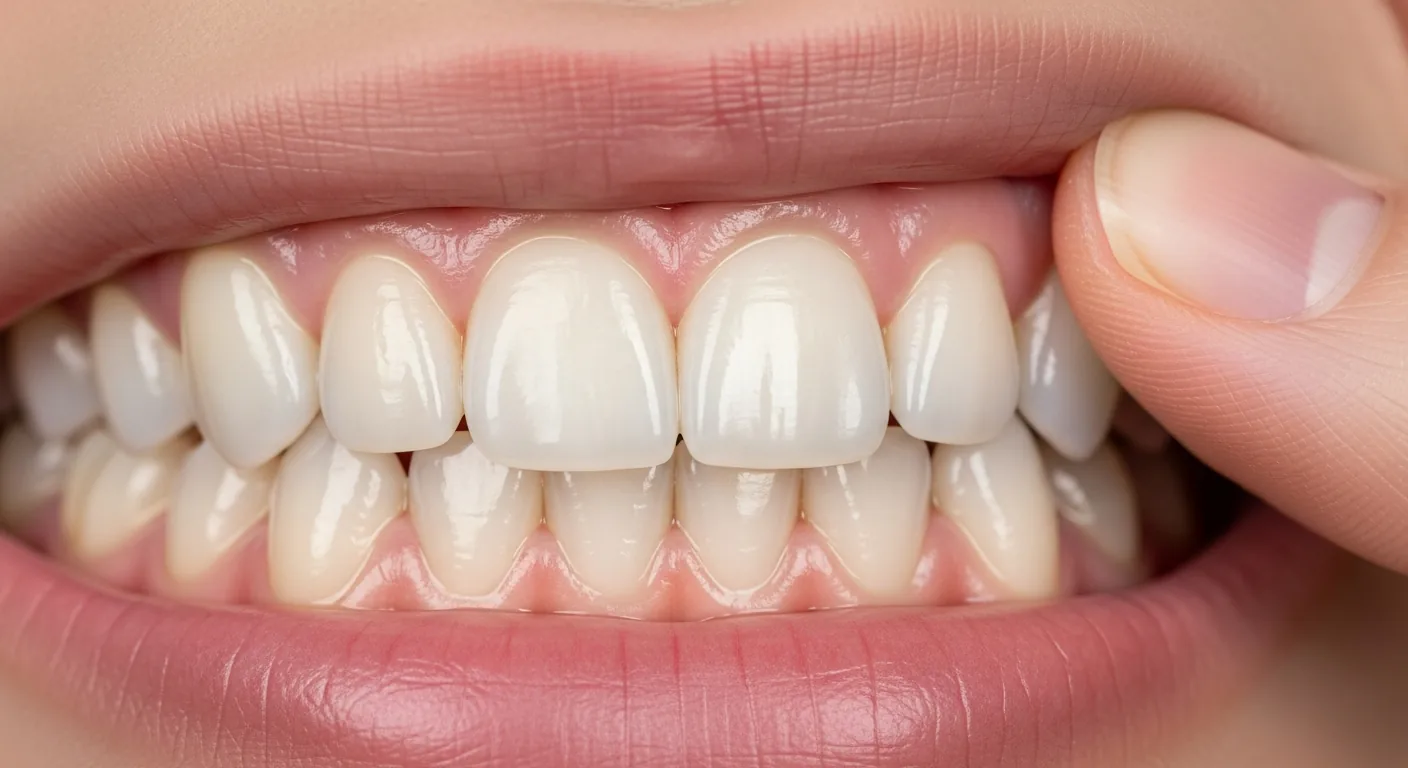
Gingivitis
Gingivitis usually begins caused by bacterial contamination in the spaces between the teeth. It is one of the most common precursors of periodontitis.
Inflammatory diseases of the tooth-supporting apparatus (periodontium) are among the most common diseases overall. In addition to bacteria, immunological and genetic factors also play a role in the development of periodontitis it is referred to as a multifactorial origin.
The bacteria that cause periodontitis play a key role in this process. An inflammatory disease of the tooth-supporting apparatus can affect one or more teeth at the same time, regardless of age.
Bacterial deposits often cannot be completely removed during daily dental care, so that harder deposits so-called tartar develop. As part of the inflammatory process, the gums become red, swollen, and prone to bleeding.
If this stage is not treated professionally, the tooth-supporting fibers and jawbone become affected: the teeth involved lose their intact tooth-supporting apparatus, begin to loosen, and can eventually be lost.
The earlier a disease is detected, the better the tooth-supporting apparatus can be preserved.
Gingivitis usually begins caused by bacterial contamination in the spaces between the teeth. It is one of the most common precursors of periodontitis.
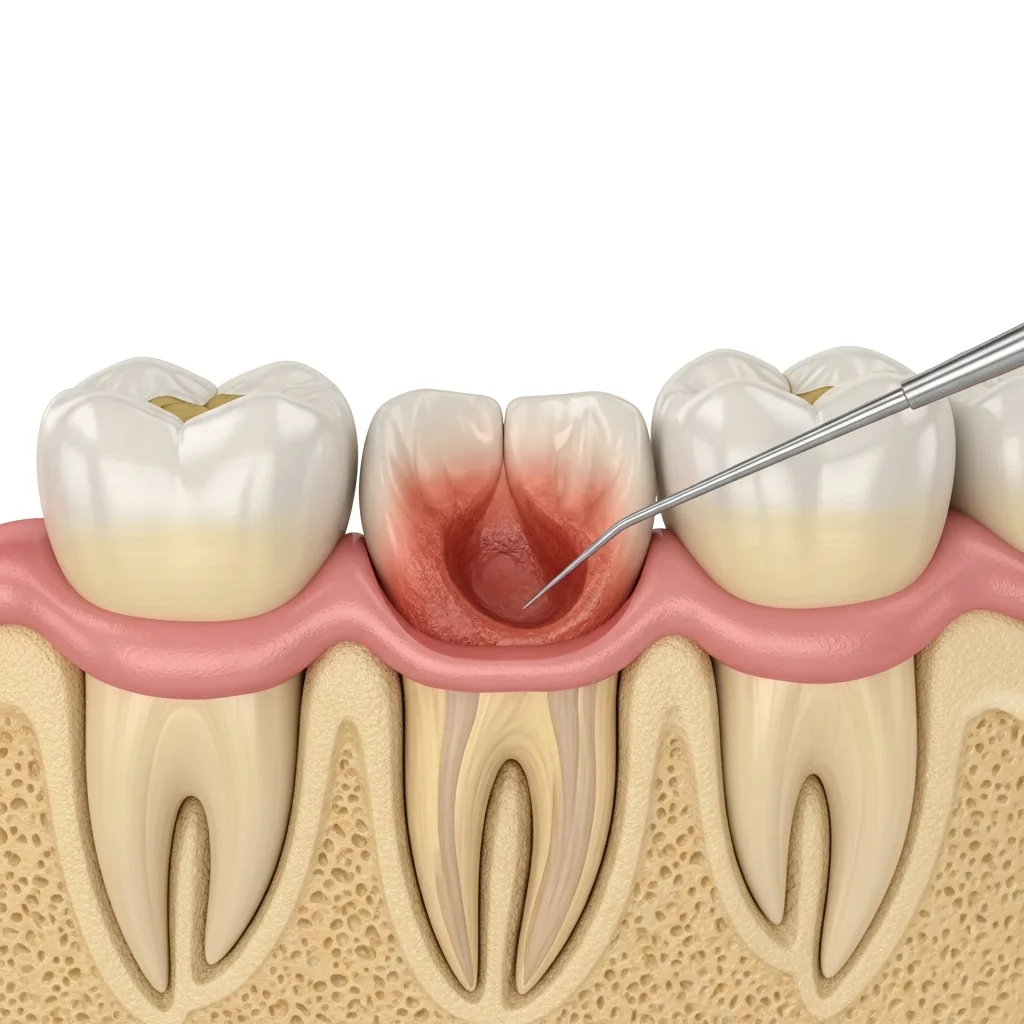
The inflammatory disease of the tooth-supporting apparatus can occur regardless of age and requires targeted, professional treatment.
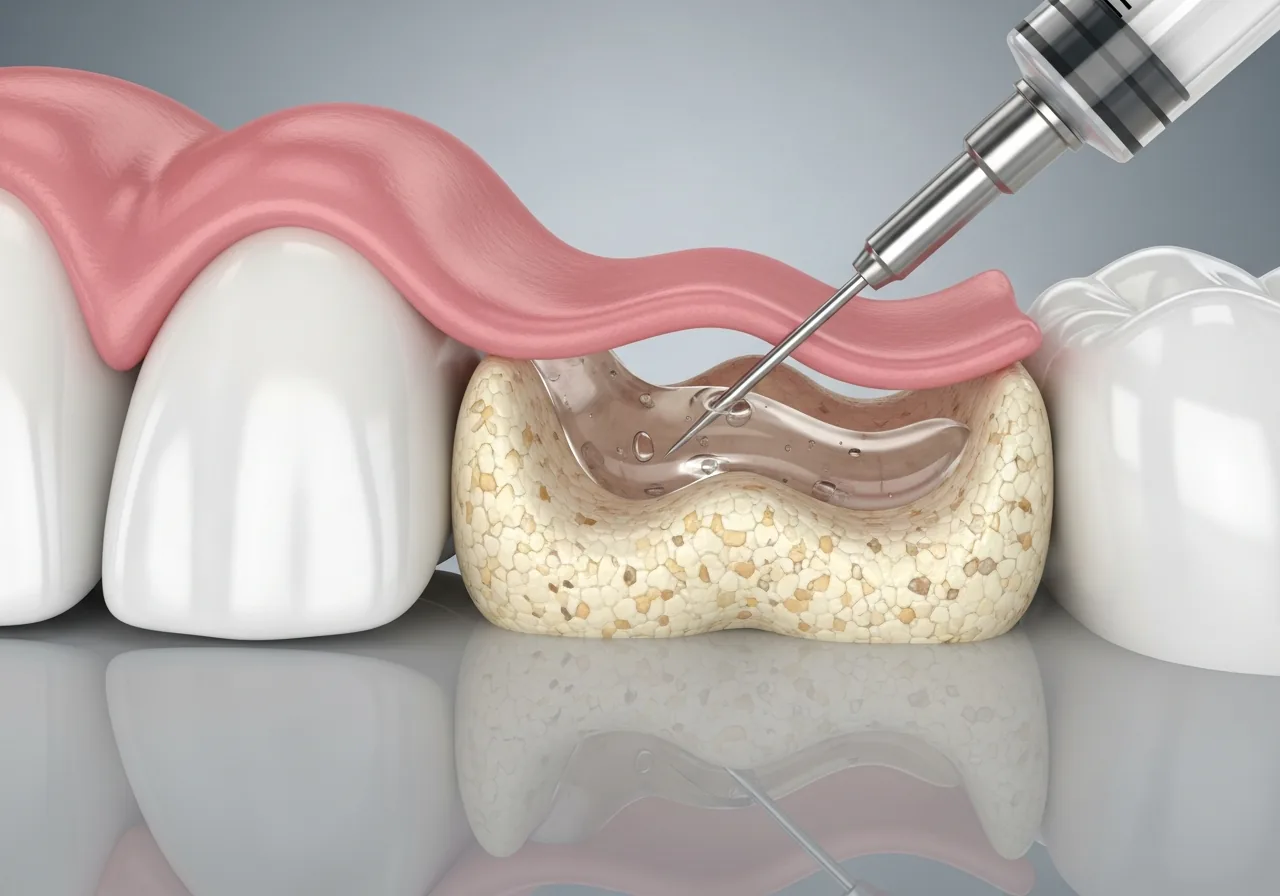
Larger defects can be rebuilt using autogenous bone or artificial bone substitute materials as part of guided tissue regeneration (GBR).
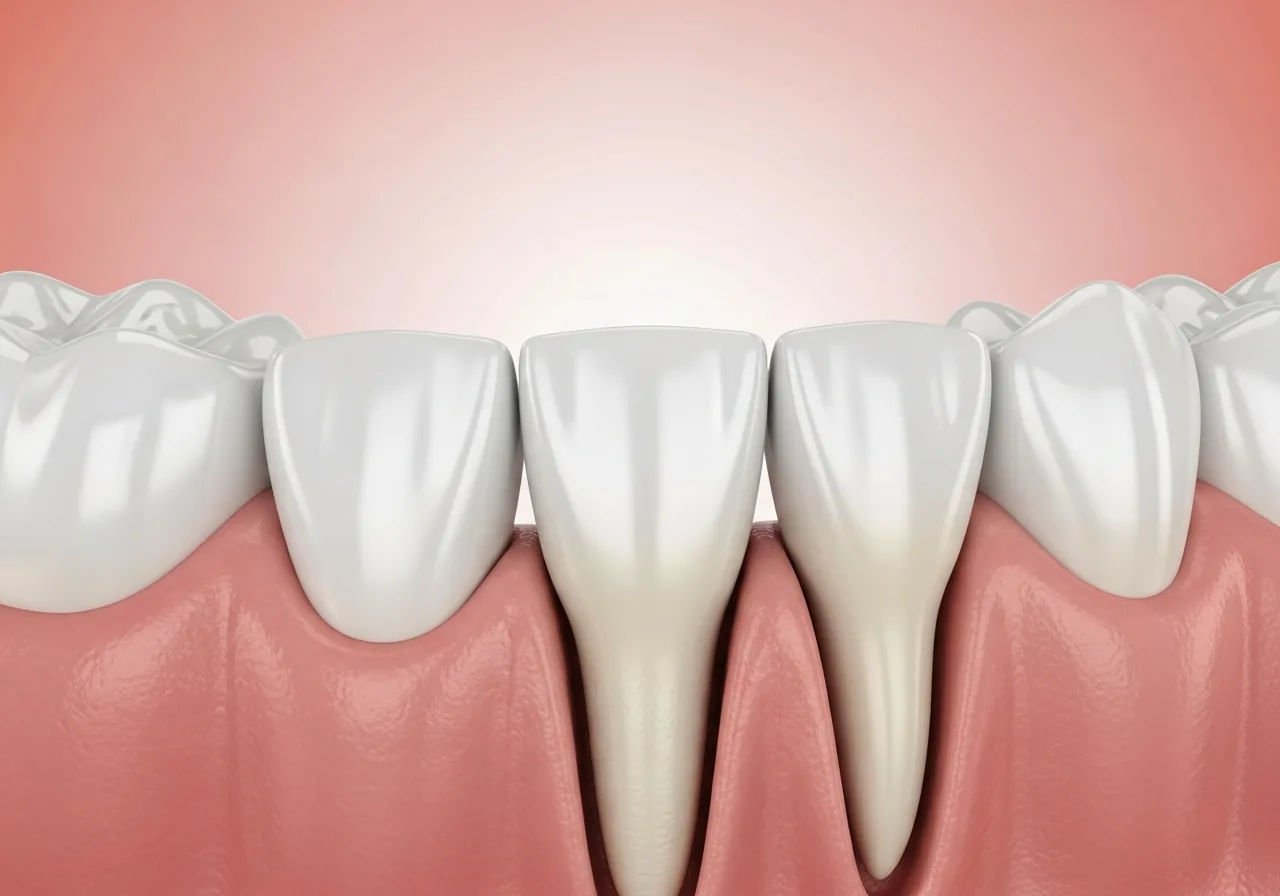
For all periodontal diseases, a thorough medical history and careful assessment of findings are carried out first. In addition to clinical and radiological findings, measuring the periodontal pockets to determine the periodontal screening index is particularly important.
Based on this initial therapy, we plan the further treatment steps together with you from professional cleaning to regenerative procedures if bone has already been lost.